Deal
Step-by-step instructions
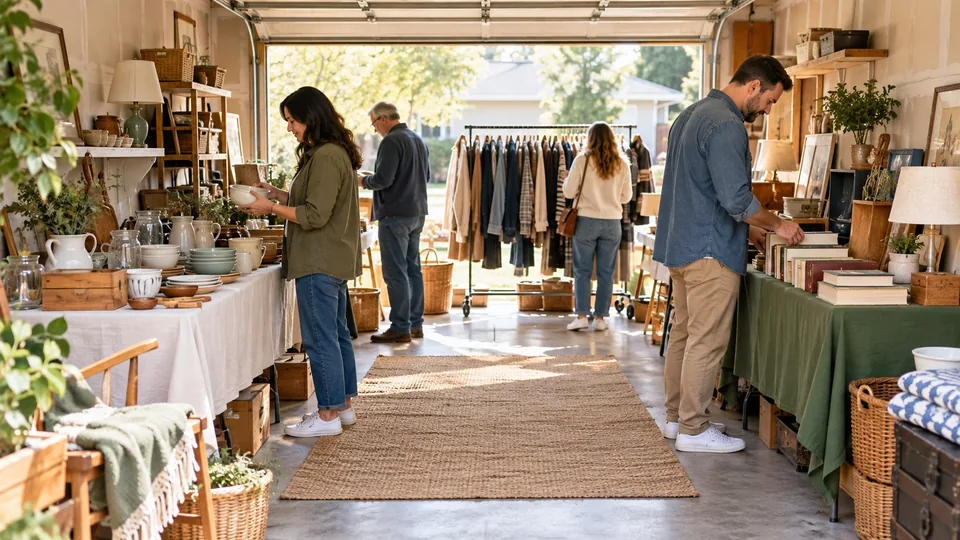
Separate sale space from private space
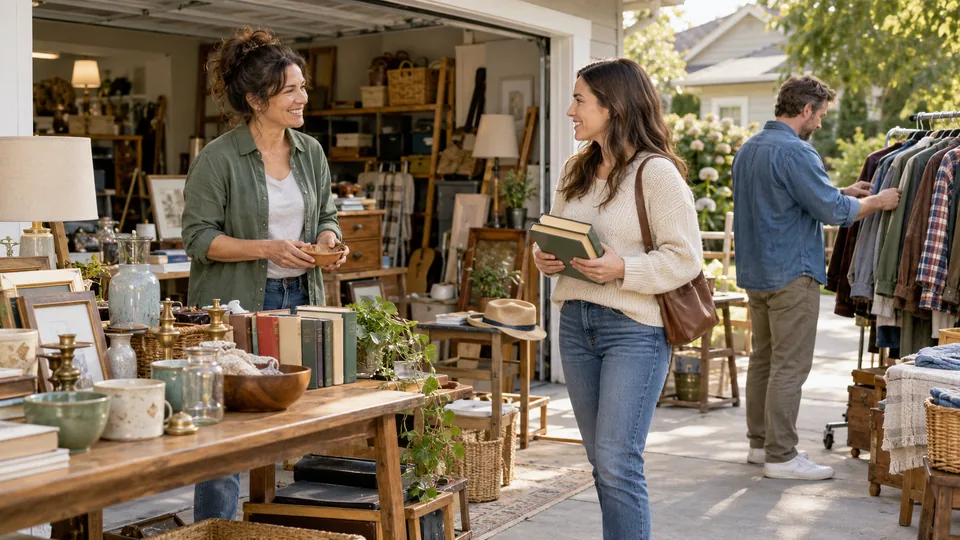
Decide what shoppers can access and secure the rest. Move keys, paperwork, medication and personal photographs away from merchandise. Have a helper present when practical, and keep a charged phone accessible. Avoid showing children, private documents or security details in listing photographs.
Screen merchandise using official sources
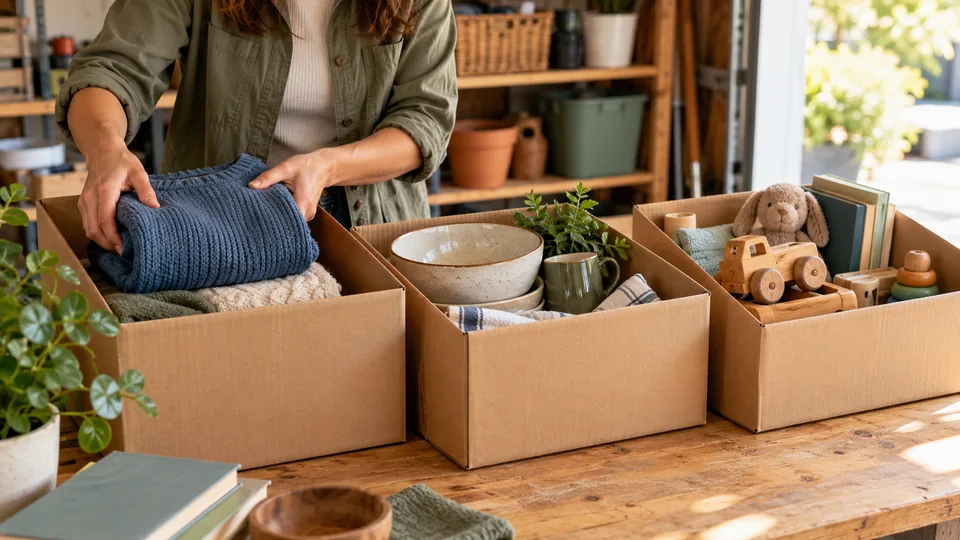
Use the brand and model to check recalls and resale restrictions. US sellers should consult CPSC guidance; Canadian sellers should use Health Canada's second-hand product information and recall search. Local rules and product requirements differ. Do not make safety claims based on appearance or include questionable goods merely because a buyer says they accept the risk.
Choose payment methods you understand
Cash and digital transfers each need a routine. For cash, agree the total and count payment and change deliberately. For a digital service, understand its fees, settlement status and seller protections before offering it. A transfer app is not automatically a protected marketplace purchase. Never share sign-in credentials or one-time verification codes.
Verify in your own account
Open the genuine payment app or website yourself. Check the amount and transaction status before handing over the item. Do not use a link supplied in a payment email or a buyer's screenshot as proof. If the service shows pending, uncertain or absent payment, pause. A real purchaser can wait while you verify.
Reject overpayment and account-upgrade stories
A buyer who claims to have paid too much and asks you to return the difference can be using a fake payment. Do not send money to receive money or pay a supposed account-upgrade fee based on their instructions. Contact the provider through its official support channel. The FTC describes fake-payment and overpayment patterns in its seller guidance.
Plan loading and pickup carefully
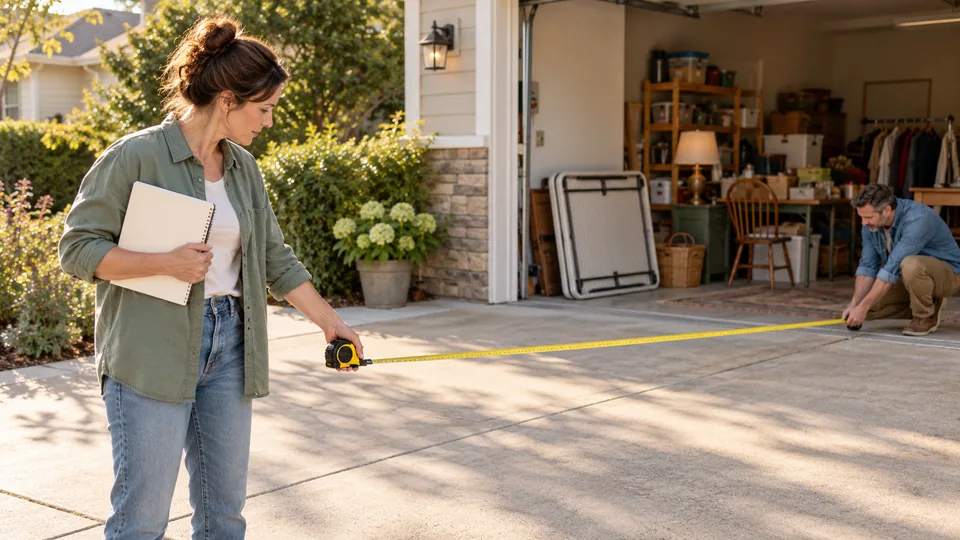
Keep vehicle movement away from browsers and avoid lifting goods beyond your ability. Agree who supplies transport and help before taking payment for large furniture. Do not invite an unfamiliar buyer into private rooms to collect a different item. If a situation feels unsafe, stop and involve a trusted helper or appropriate local assistance.
Keep the sale separate from your home
Secure private entrances and keep keys, wallets, documents and devices out of reach. Mark areas that are not open to shoppers. Supervise valuables and arrange cover if you step away.
Do not publish unnecessary personal information. Clear data from devices and check bags, drawers and furniture for forgotten documents. Share only the collection details a buyer needs.
Verify payments independently
Open your payment provider's app or website yourself. Confirm the correct amount and transaction status in your own account before handing over goods. Do not rely solely on a buyer's screenshot, email, text or animation.
If a payment is missing or pending, pause the handover and follow your provider's guidance. Completed payments may still be subject to disputes under provider terms; check what protection applies to your chosen method.
Never share verification codes or pay an unfamiliar link to 'unlock' a payment. Treat overpayments and requests to refund an excess amount as warning signs.
Recognise suspicious messages
The US Federal Trade Commission explains fake payment notices and overpayment scams in its guidance for sellers. Contact your own provider through a trusted channel if something looks wrong.
Agree the price and payment method first. Count cash carefully and do not let a hurried conversation distract you from what was actually received.
Arrange safe collection
Agree collection during suitable hours, ideally with a helper present. Keep collection in the sale area where practical rather than inviting a stranger through private rooms. Confirm that the buyer has suitable transport and lifting help.
Do not attempt a lift that feels unsafe. Keep children and shoppers away from loading vehicles. Clarify hold and collection arrangements before payment; do not publish the buyer's contact details.
Know when to stop
You can stop a transaction or decline a payment method. If there is immediate danger, contact local emergency services. For suspected payment fraud, contact your bank or provider promptly using official contact details.
- Private entrances secured.
- Valuables and money supervised.
- Payment checked in your own account.
- No account credentials or verification codes shared.
- Collection and lifting arrangements agreed.
Prepare a verification routine before you need it
Decide which payment methods you will accept and learn the provider's current receipt, fee and dispute rules before sale day. Set up your own account through its official app or website. Never follow a buyer's link to 'upgrade' the account, send a verification code, pay a fee to release an alleged payment or refund an alleged overpayment before resolving it through your provider. Keep your device locked when not in use and do not hand it to a stranger to complete account steps. If a receipt is delayed, pause the handover and check through your own trusted account. Digital payments can involve disputes or reversals depending on the service and transaction; do not promise they are irrevocable or protected simply because an app shows a message.
A real-world example
A buyer shows a phone screen saying $80 was sent for a table, but your own payment app has no transaction. You keep the table and say, 'I can release it when payment is confirmed in my account.' You do not follow the buyer's link or send a verification code.
Common mistakes
- Trusting payment screenshots.
- Sending a refund before confirming a genuine original payment.
- Assuming an 'as is' label makes unsafe products acceptable.
Practical checklist
Frequently asked questions
Are digital payments safe?
Use a service you understand and independently verify each payment. Protections and reversal risks vary by provider and transaction type.
Should I give a verification code to a buyer?
No. Codes can grant access to accounts; a buyer does not need your account verification code to purchase an item.
Does 'as is' remove every obligation?
No. It does not override applicable law or make prohibited goods acceptable. Check local consumer and product-safety requirements.
What if I suspect a scam?
Pause the transaction, keep records without publishing personal accusations, contact the payment provider and use your local reporting channels.