Deal
Step-by-step instructions
Make an item-by-item decision
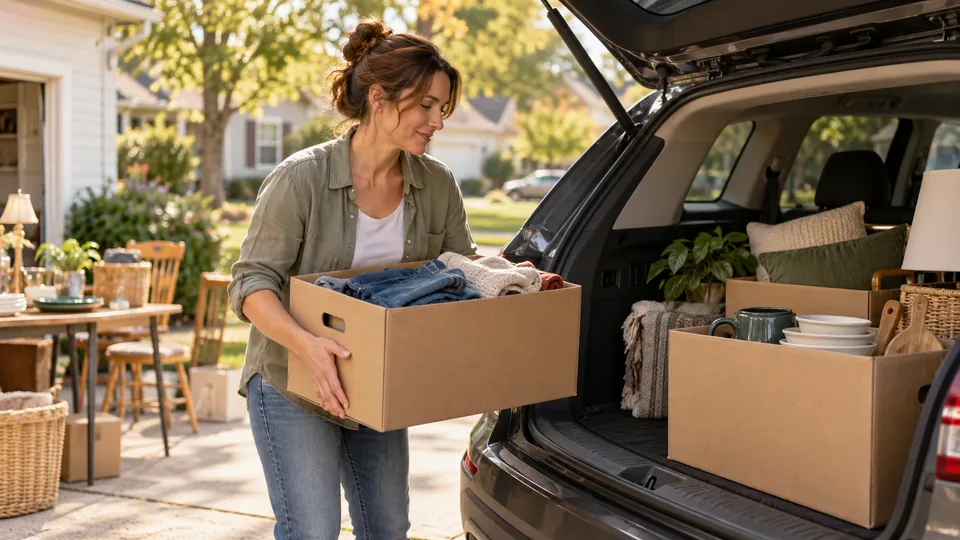
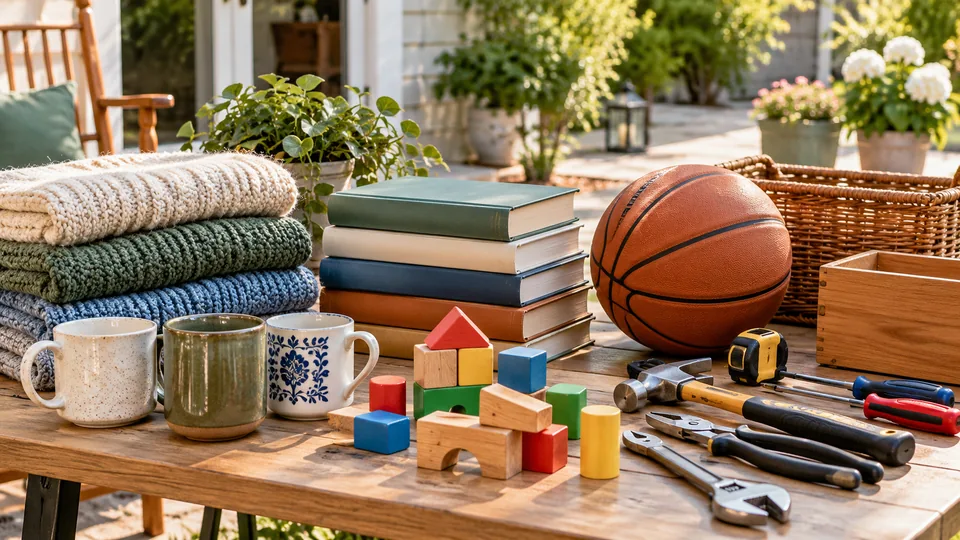
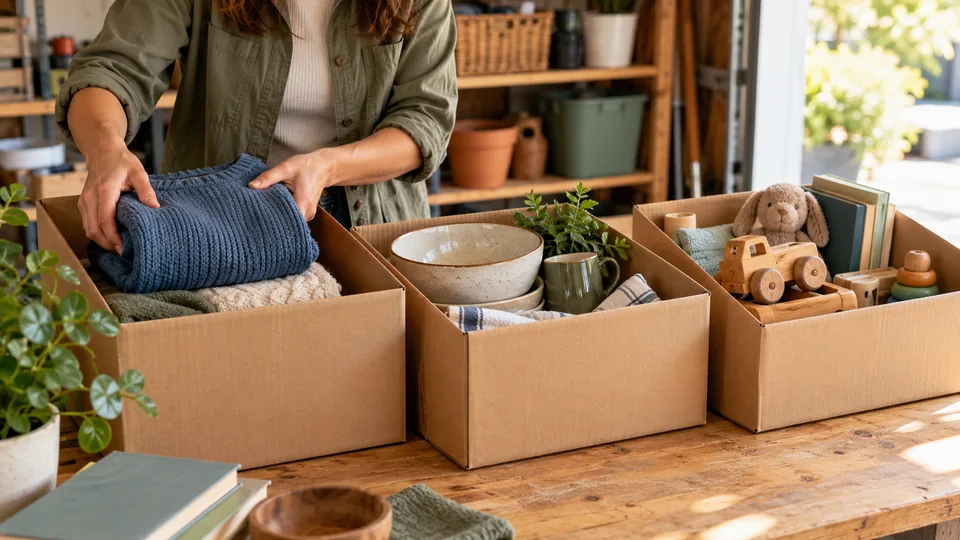
Start with goods you own and have permission to sell. Use four clearly separated areas: sell, keep, donate and recycle. Create a fifth research area for unfamiliar collectibles or potentially valuable items. Clothing should be clean and inspected for tears and stains; toys need component checks; books need a check for damp, missing pages and personal papers. Kitchenware should be clean and complete enough to use as described. Tools and sports equipment need particular attention to damage and safety.
Screen before spending time cleaning
Record brands, models and identifying labels for children's products, appliances and other safety-sensitive goods. Check official recalls and current resale guidance. Do not assume that an old product is safe because your family used it. Missing safety labels, unknown impact history or a damaged power cable are reasons to stop and investigate, not merely reduce the price. Keep recalled or prohibited goods out of sale and donation piles while following the manufacturer or authority's instructions.
Choose a suitable sales channel
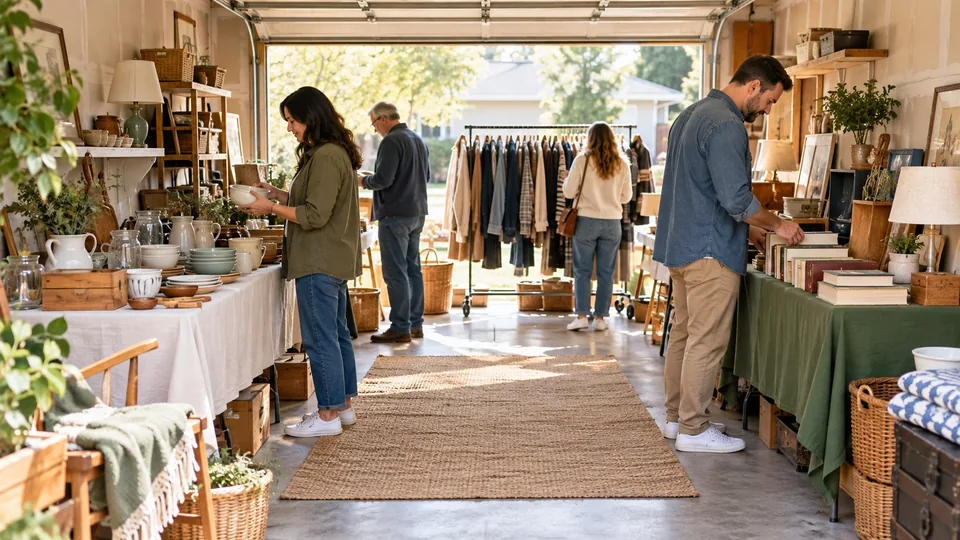
Everyday household items can work well at a garage sale because buyers can inspect them immediately. Scarce collectibles, specialist tools, authenticated antiques and high-value equipment may benefit from an appraiser, specialist dealer or targeted marketplace. Research completed comparable sales, including fees and shipping, before deciding. A high online asking price does not establish value. If research is unfinished, keep the item out of this weekend's sale rather than accepting a hurried offer.
Clean with the material in mind
Follow care labels and manufacturer instructions. Dust and wipe appropriate surfaces, wash suitable textiles and dry everything fully. Avoid aggressive polishing of antiques or removing labels that help identify an item. Cleaning should reveal condition, not conceal defects. Keep damaged finishes visible in both photographs and descriptions. If a stain remains, show and describe it. Separate strong-smelling or damp items from clean goods.
Test and record the limits of your test
For electronics, use a suitable supply and check ordinary functions safely. Record the test date, included accessories, battery behavior and anything not tested. Remove accounts, personal files, SIM and memory cards using manufacturer guidance. Resetting a device may not remove activation locks; confirm that the next owner can set it up. Do not plug in visibly damaged equipment merely to demonstrate that it powers on. Use a specialist when testing is unsafe or uncertain.
Make inspection easy
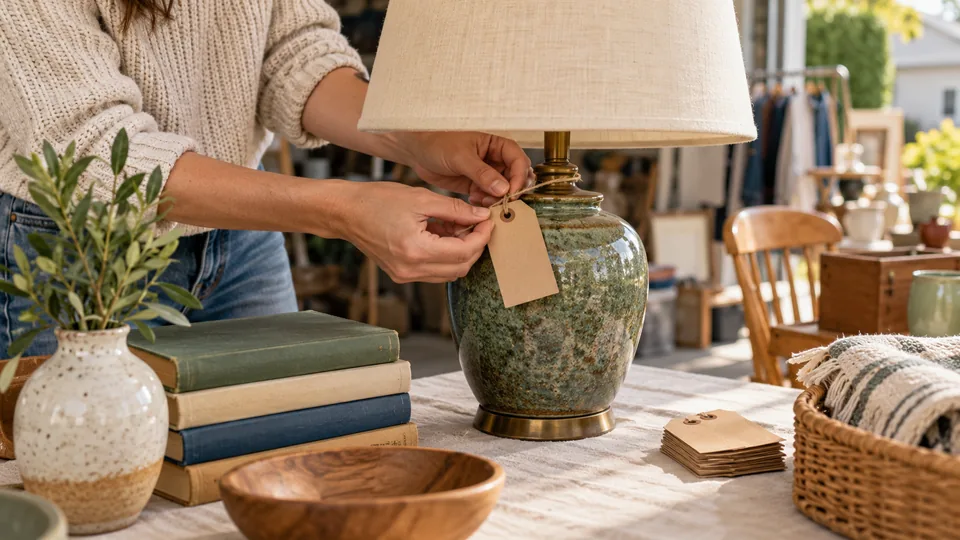
Bag matching small parts and attach them to the main item without damaging it. Assemble furniture only where appropriate and safe, and record dimensions. Group clothing by size, books by topic and kitchen sets by what is actually included. Give every item an identifier if you will use the inventory tracker. Photograph the whole item, a useful detail and any defect. A buyer should understand what they are paying for without opening five unrelated bags.
Before and after: make inspection easier
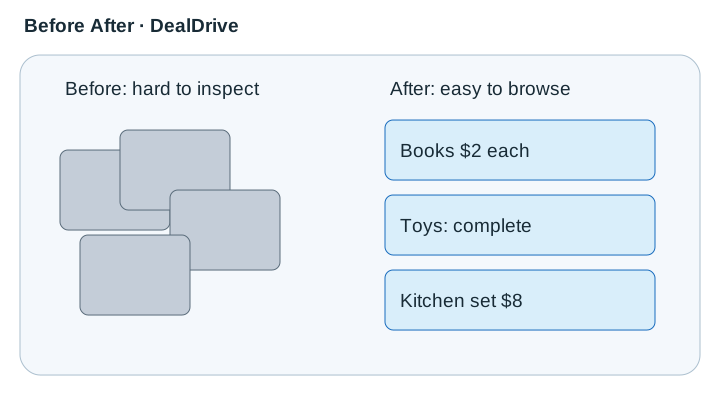 View diagram at full size (opens an enlarged view) ↗
Improve visibility without concealing defects.
Make four sorting areas
Label spaces or boxes sell, keep, donate and recycle. Ask other household members before including their belongings. Move the keep pile away from the sale area.
Sell useful, safe goods that you can describe accurately. Donation is an option only for items the recipient accepts. Unsafe or recalled goods should not be passed on as donations.
Clean, test and measure
- Clean surfaces and wash suitable fabrics according to care instructions. Allow everything to dry.
- Test electronics with the correct power supply. Record what works and what you could not test; do not describe untested goods as working.
- Remove personal accounts, storage cards and data from devices using manufacturer instructions.
- Measure furniture's width, depth and height, and note removable parts and transport needs.
- Count components where practical and bag small pieces with the matching item.
Group related goods and disclose defects
Keep compatible accessories together, such as a camera and its charger. Label missing parts, damage and repairs clearly, including within bundles. Include the same information in promotion.
Wooden desk, 110 × 55 × 75 cm. Scratches on the top; one drawer handle missing. Buyer needs suitable transport.
This tells a shopper more than a vague claim such as 'great desk'. Do not hide damage behind packaging or photographs.
Screen for unsafe or restricted products
Search the brand and model in your country's official recall database. Do not sell recalled or unsafe products. A clean appearance does not establish safety, especially for children's equipment, protective gear and electrical items.
Check applicable law and platform rules before listing restricted goods. If you cannot establish that an item is safe and permitted, keep it out of the sale and seek manufacturer or local disposal guidance.
US sellers can use the CPSC resale guidance and recall search. Elsewhere, consult your local product-safety authority.
Ready-to-price checklist
- Ownership and suitability checked.
- Recall and restriction checks completed.
- Condition, tests and measurements recorded.
- Personal data removed.
- Accessories grouped and defects labelled.
A preparation station that prevents repeated work
Set up separate labelled areas for inspection, cleaning, pricing and ready-to-sell goods. Keep unsafe or uncertain merchandise outside this flow so it is not accidentally returned to the sale pile. Work through one category at a time with the appropriate supplies. For clothing, inspect seams, fasteners and pockets; wash according to care instructions and dry completely before packing. For furniture, check joints and keep removable hardware together. For books, look for moisture, missing pages or inscriptions relevant to condition. For kitchenware, assemble matching lids and count set pieces. Write defects on the item record as you discover them instead of trying to remember them at checkout. Once an item is labelled and ready, place it in the box for its display category. This avoids cleaning the same goods twice while missing important tests on others.
A real-world example
Before: a tangled box contains a game console, several cables and unrelated controllers. After: the tested console is paired with its compatible power supply, the controller's sticky button is disclosed, personal accounts are removed and a label lists exactly what is included.
Common mistakes
- Describing untested electronics as working.
- Putting damaged products in donation boxes without checking suitability.
- Polishing a collectible before researching whether its finish matters.
Practical checklist
Frequently asked questions
What tends to sell?
Useful goods in honest condition at locally sensible prices are easier to assess. Demand varies; prepare a mixed selection instead of relying on a universal bestseller list.
Can I sell a recalled product cheaply?
Do not offer recalled goods as an ordinary discounted item. Consult the relevant safety authority and manufacturer about the recall remedy and whether resale is permitted.
Should I sell antiques at a yard sale?
Research them first. When age, maker or value is uncertain, set them aside for specialist advice.
Do all items need individual labels?
No. Clearly priced tables and bundles work for similar low-value goods, but keep exceptions separate.