Deal
Step-by-step instructions
Assess ordinary goods
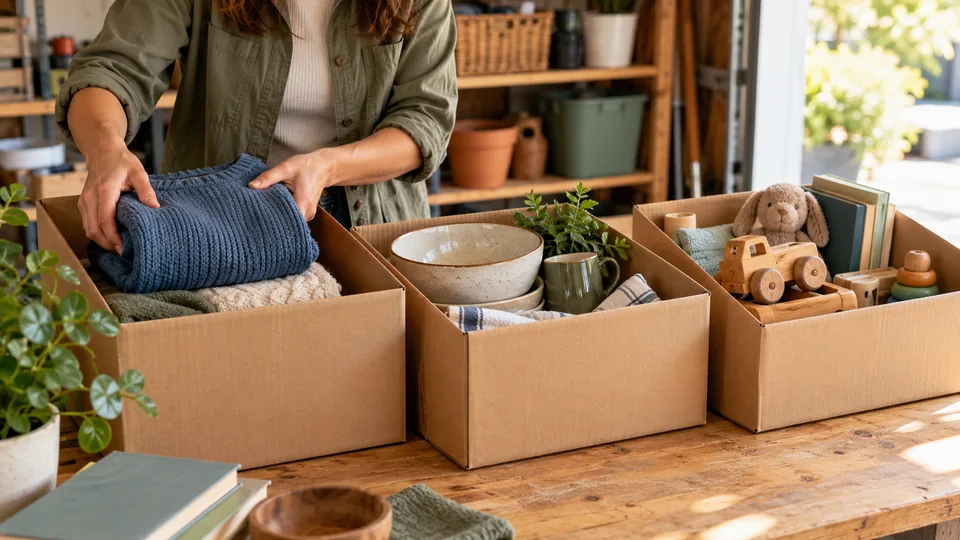
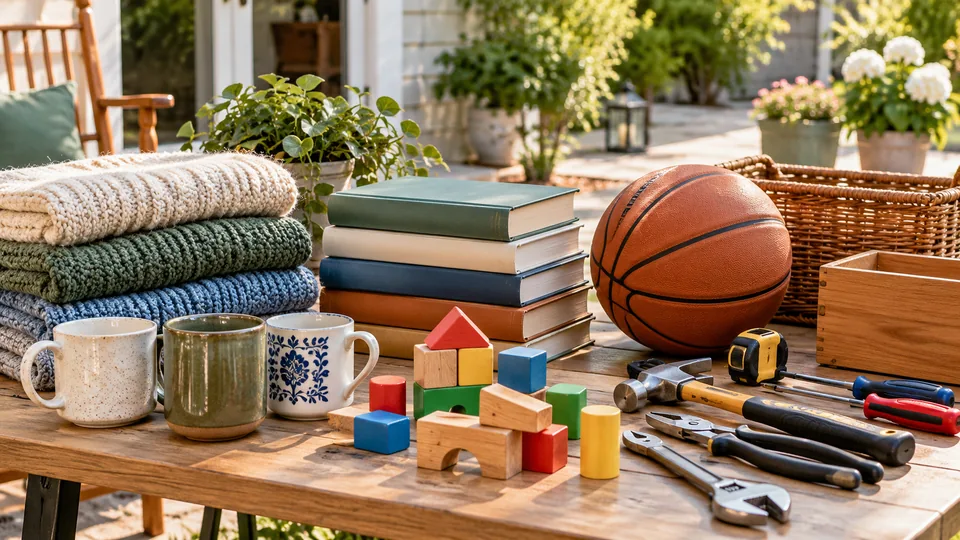
Books, clean clothing, complete toys, tools, kitchenware and sporting goods are useful starting categories. Ask whether a buyer can understand and use each item immediately. Missing parts, damp or unclear condition can make even a low price unattractive.
Research local demand
Look at nearby sale descriptions and listen to actual shopper questions. A mix of categories reduces dependence on one type of buyer. Do not purchase speculative stock simply to make the event larger.
Separate specialist items
Antiques, authenticated collectibles and high-end equipment may need targeted buyers and more research. Compare completed transactions, fees and transport needs. Keep uncertain items out of a rushed sale.
Measure your results
Record quantities offered and sold by category. Ten books sold from fifty is different from ten tools sold from twelve. Compare revenue, preparation time and leftovers; one weekend is evidence to learn from, not a market forecast.
Judge usefulness, not category alone
A useful item in clean, complete condition is easier to evaluate than a damaged item carrying a desirable category label. Sort your goods by the job a buyer wants them to do: outfit a child, equip a kitchen, furnish a room, start a hobby or replace a tool. For each group, identify missing parts, transportation needs and whether the buyer can inspect it at the sale. A complete board game with a visible component list gives a parent a clearer decision than a box of uncounted pieces. A basic saucepan with a flat base and secure handle may be more practical than an attractive but damaged appliance. Demand still depends on local shoppers, season, condition and price; no category guarantees a sale. Use your own results to improve future choices rather than buying speculative stock.
Prepare category-specific evidence
For clothing, show sizes, fabric care information and any stains or repairs; do not mix adult and children's sizes under one ambiguous label. For tools, identify the brand, model and included accessories and describe only tests you actually performed. For books, separate common reading copies from signed, scarce or specialist editions that need research. For toys, count pieces and check the exact model against recalls before displaying it. For kitchenware, show the whole set and disclose chips or missing lids. For sports equipment, identify size, intended use and wear; avoid offering protective equipment whose safety history you cannot establish. Buyers cannot fairly assess a category from a vague claim such as 'excellent condition.' Give them observable facts that explain what is included.
Match merchandise to the selling channel
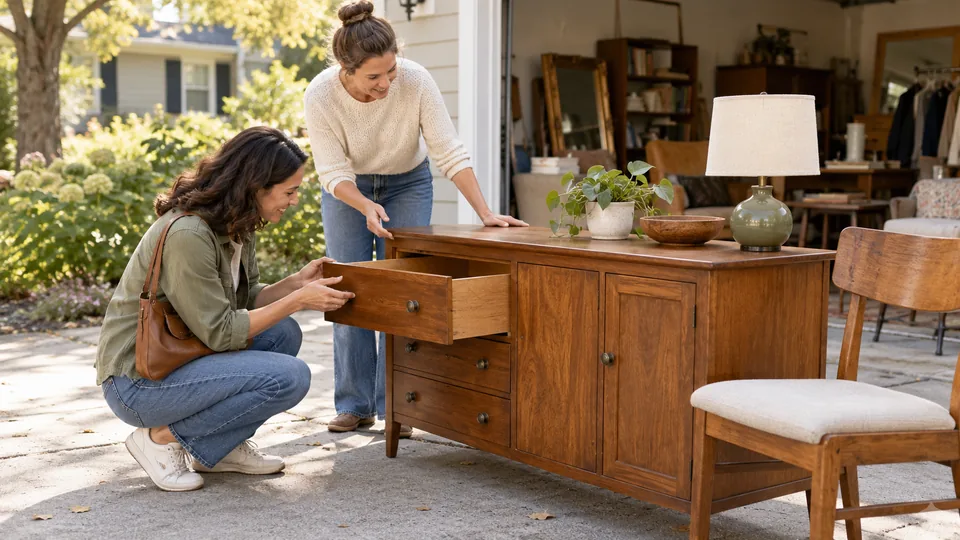
A garage sale trades broad local exposure and quick collection for limited time with each buyer. That can suit common household goods, inexpensive books, everyday clothing and sturdy furniture that someone can collect nearby. A specialist item may need a different audience. Before tagging a camera lens, signed artwork, antique tool or unusual collectible, record identifying details and inspect comparable completed sales. Check that the comparison matches the model, completeness and condition. If its possible value would materially affect your decision, put it aside until you can research or obtain independent advice. A high asking price does not make it valuable, and age alone does not establish rarity. Do not let an early buyer's urgency force an uninformed decision.
Build a balanced selection and track what happens
Choose a representative mix from goods you already intend to release. Put a few clearly priced, useful items where people can see the sale's character, then organize the rest by category. Avoid surrounding every table with low-value damaged goods; they consume space and inspection time. Track offered and sold counts by category using the inventory tool. If ten of twenty kitchen items sell, the sell-through rate is 50%. If one of two furniture pieces sells, that rate is also 50%, but the small sample tells you much less. Compare revenue, preparation time and remaining space as well as percentages. For example, several modestly priced items sold together may meet a decluttering goal better than holding out for one larger transaction. These are decisions about your goals, not universal rankings.
A real-world example
Eight of twenty books and seven of ten kitchen items sell. Kitchenware has higher sell-through, but the seller also checks revenue and preparation effort before choosing next time's stock.
Common mistakes
- Assuming a popular category guarantees demand regardless of condition.
- Selling an unidentified specialist item before researching it.
- Counting a small sample as proof of a universal trend.
Practical checklist
Frequently asked questions
What should I avoid selling?
Exclude recalled, unsafe, prohibited or unsuitable merchandise. Check official product-safety guidance before offering safety-sensitive goods.
Should I buy stock for my first sale?
Start with suitable belongings you already own. Learn about local demand and costs before considering inventory purchases.
Are branded goods always worth more?
A recognizable brand can help research, but condition, model and genuine local demand still matter. Compare the exact item with completed secondhand sales, and do not use a logo alone to justify a price.
How should I evaluate category results?
Record items offered, items sold and actual receipts for each category. Compare preparation time and remaining bulk too. A high percentage from two items is a much smaller sample than the same percentage from fifty items.