Deal
Step-by-step instructions
Choose destinations before sale day
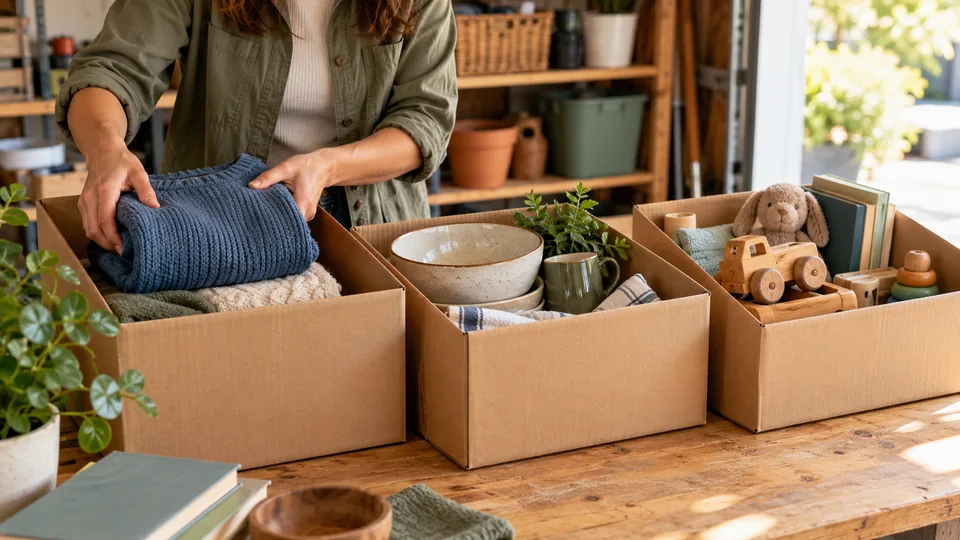
Decide which leftovers you will keep, relist, donate or recycle. Check donation organizations' current acceptance rules, hours and pickup options. Bulky goods may require advance arrangements. A plan prevents the sale from simply moving clutter into a different room.
Apply a clear closing offer
At the time you chose, reduce selected goods or offer a defined bundle. Identify exclusions and avoid promising that everything is free unless you have permission from every owner. Do not make a desperate discount on a researched valuable item solely because closing is near.
Stop new browsing and finish transactions
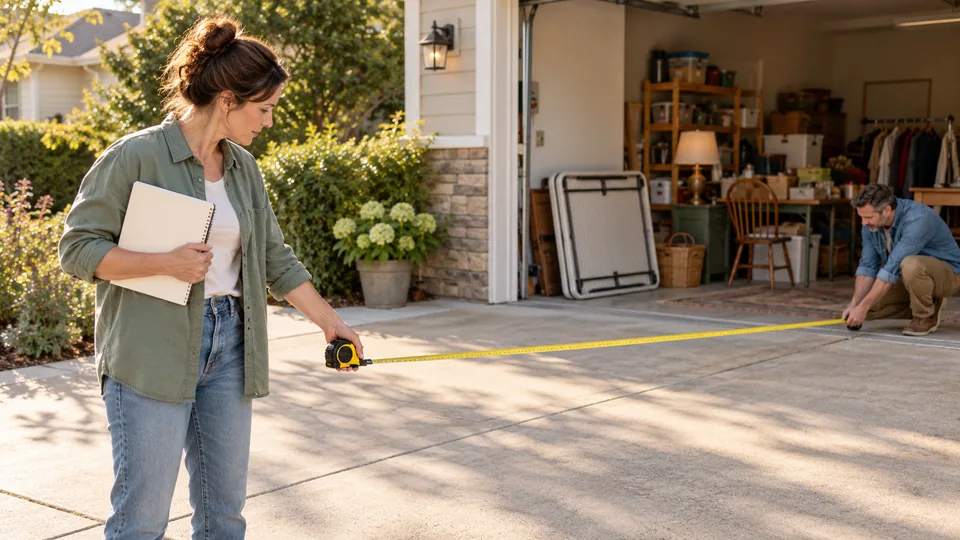
Politely announce closing time, complete agreed purchases and clarify pickup arrangements. Mark paid goods and keep them separate. Close or update the DealDrive listing and external posts. Remove temporary signs and any tape, stakes or ties you placed with permission.
Reconcile money privately
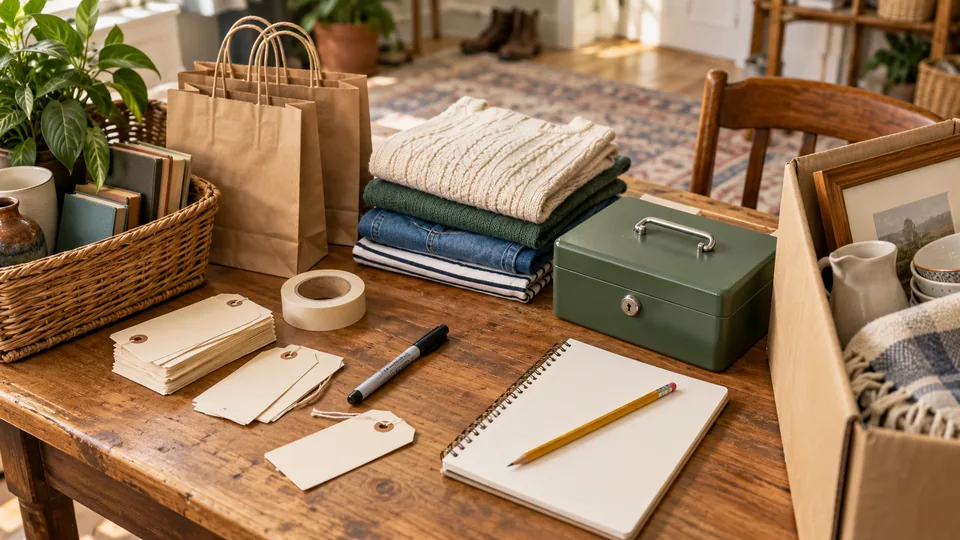
Count cash away from customers, subtract the opening float and add confirmed digital receipts. Record expenses separately. For multi-family sales, reconcile seller codes and agreed shared costs before distributing proceeds. Keep a simple record of any discrepancy to investigate rather than guessing.
Sort leftovers again
Condition may have changed during the event. Recheck goods before donating or relisting them. Do not donate recalled, unsafe or unusable items. Remove personal data from electronics and use appropriate collection programs for batteries and hazardous materials. Ask the local waste authority about accepted routes; curbside rules vary.
Give the task a deadline
Set a date for donation drop-off, collection or a specialist listing. Keep only items you intentionally want. Photograph and record selected goods for another channel, then clear the sale space and return borrowed equipment. A successful clear-out includes finishing the leftovers, not merely ending the transactions.
Review before discounting
Check what remains and why it may not have sold. Was the label unclear, the display overlooked or the audience unsuitable? Correct those issues before assuming every price must fall.
Offer end-of-sale bundles for related goods if the total meets your minimum. Keep valuable or specialist items separate if you prefer further research. Tell helpers about any changed offers.
Consider later listings and reuse
A specialist item may suit a later individual listing on a suitable channel, with detailed photos, measurements and condition notes. Check the channel's rules, fees and payment arrangements. DealDrive's garage-sale listing describes the sale event; do not assume it provides individual-item checkout.
Ask whether friends, a repair group or a reuse organisation can use an item. Disclose defects and do not pass on unsafe or recalled products.
Confirm donation acceptance
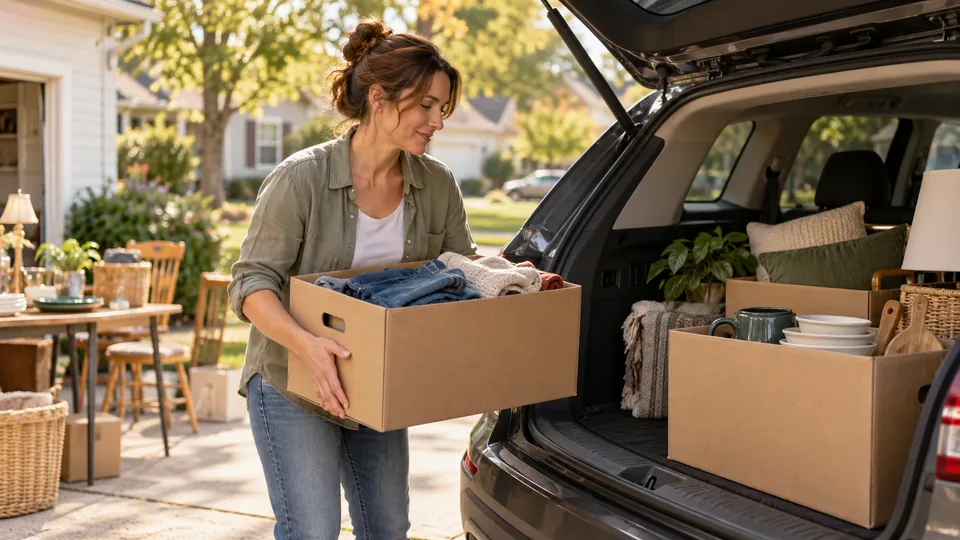
Contact the recipient or check its current guidance before travelling. Ask about condition, size, electrical goods, booking requirements and opening hours. Some organisations cannot accept furniture, certain children's goods or damaged items.
Pack accepted items as requested. Do not leave goods outside a closed centre or assume an unattended collection point accepts everything.
Recycle responsibly
Check local waste-authority guidance for electronics, batteries, paint and other materials requiring separate handling. Remove personal data from electronics using manufacturer guidance. Follow official instructions for recalled products.
Separate rubbish from reusable goods. Avoid leaving hazardous materials where other people may pick them up.
Close the sale properly
- End or update the listing and promotional posts.
- Remove directional signs.
- Complete agreed collections safely.
- Count proceeds privately and reconcile household shares.
- Record what sold well and what to change next time.
Reconcile a fictional closing cash count
Suppose you began with a $60 change float and finish with $245 in cash. Your cash receipts are $185, not $245. If verified digital receipts total $40, gross revenue is $225. With $25 of actual supplies and advertising costs, net proceeds are $200. These invented figures show the method rather than an expected outcome. Check that you have not counted a transfer from a payment account to your bank as a second sale. If the count differs from the inventory, review bundles, discounts, owner allocations and change errors in a private place. Keep enough records to understand the difference without collecting unnecessary buyer information. Secure proceeds before doing the final property cleanup.
Give each leftover a realistic destination
Separate worthwhile individual listings from donations, recycling and goods requiring special handling. Confirm that a donation organization accepts the type and condition of goods before loading a vehicle or leaving items outside. Arrange an actual collection or drop-off date rather than moving unsorted boxes back into the garage indefinitely. Electronics, batteries, chemicals and other restricted materials may need specific local programs; consult the relevant local authority. Do not place goods on the curb unless permitted and safe, and never leave them blocking a sidewalk. For a paid item awaiting collection, follow the agreement with the buyer rather than treating it as ordinary leftover stock. Close or update the DealDrive listing so future visitors see the current status.
A real-world example
Of 60 listed items, 35 sell, 10 suitable items are accepted for donation, five are set aside for specialist listings and ten need another lawful disposal or reuse route. The seller records each destination so the remaining pile does not become an unexplained second inventory.
Common mistakes
- Leaving signs up after the event.
- Counting the opening float as income.
- Assuming every charity accepts every household item.
Practical checklist
Frequently asked questions
Should I give away everything at closing?
Only if that fits your goal, all owners agree and the goods are safe and suitable to pass on.
Can I leave leftovers on the curb?
Check local rules, collection arrangements and weather. Do not obstruct public access or leave unsafe goods unattended.
How do I handle electronics?
Remove personal data and use an accepted resale, donation or electronics-recycling route appropriate to their condition.
What if furniture was paid for but not collected?
Follow the pickup terms you agreed and contact the buyer through the appropriate channel. Do not invent a new forfeiture policy afterward.