Deal
Step-by-step instructions
Record identifying evidence
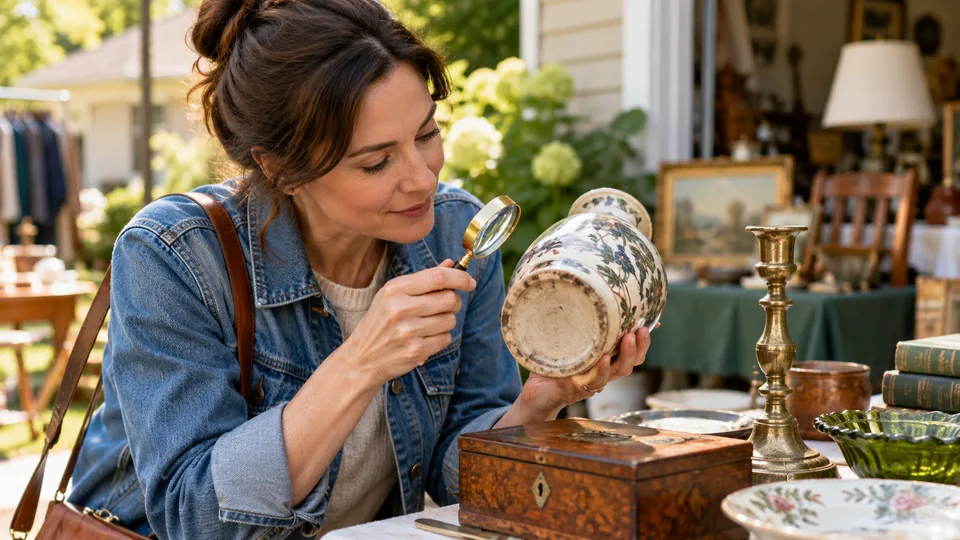
Photograph marks, labels, dimensions, materials and condition. Keep relevant paperwork when it is yours to share. Do not invent provenance or assume age from appearance.
Avoid irreversible cleaning
Original finish, packaging or labels may matter. Dusting is different from polishing or stripping. Stop before chemicals or repairs when you do not understand the material.
Compare carefully
Match maker, edition, size and completeness. Similar-looking objects may be reproductions. Completed transactions help, but fees, authentication and transport affect alternatives.
Choose a suitable channel
A specialist dealer, appraiser or targeted marketplace may fit uncertain valuable goods better than a short local event. Check terms and credentials. Describe uncertainty honestly and do not rush.
Identify before cleaning or pricing
Photograph the object as found, including maker marks, labels, signatures, construction details and damage. Record dimensions and any history you can substantiate. Keep original packaging, paperwork and associated parts together. Do not remove labels, polish metal, repair finishes or wash delicate materials simply to make them look newer; intervention can change condition and may reduce value. Age does not prove rarity, and a family story does not establish attribution. If you are unsure what the object is, describe observable features rather than confidently assigning a maker or period. Put uncertain pieces aside from general stock so they are not accidentally included in a low-price bundle while you research.
Choose comparisons that actually match
Look for completed sales of the same maker, model, edition or pattern with similar condition and completeness. Distinguish a sold price from an asking price, an auction estimate and a dealer's retail listing. Note whether the comparison includes buyer fees, shipping or restoration that would change the amount a seller actually receives. One unusually high result may reflect a rare variation rather than the common item you have. Build a small comparison record with dates and identifying details, then assess whether the evidence is strong enough to set a price. If the possible value is material or identification remains uncertain, consult an independent specialist before committing to a garage-sale tag.
Compare specialist channels and net proceeds
A specialist dealer, auction, consignment service or collector marketplace can reach buyers who understand an unusual item, but each channel has different costs, timelines and risks. Ask about commission, listing fees, insurance, shipping responsibilities, reserve policies and what happens if the piece does not sell. Compare expected net proceeds rather than headline selling prices. A local buyer who collects a modest item may be practical; a rare, fragile piece may benefit from professional handling and a longer selling period. There is no universal threshold at which an object must leave the garage-sale channel. Use your confidence in identification, likely value, condition sensitivity and willingness to wait as the decision criteria.
Display and discuss honestly if you do sell locally
Choose a stable, supervised display away from crowding and weather. Keep small valuable pieces close to checkout and limit simultaneous handling if it becomes difficult to supervise. Provide a written description of what you know and what remains uncertain, such as 'maker not verified' rather than an unsupported authenticity claim. Explain any repaired or missing elements. Decide your minimum and whether you will pause the sale for a second opinion. If a shopper says an item is worthless or pressures you to sell immediately, you can decline and research later. Verify payment before handing over the piece and record the transaction amount. A calm, accurate sale is preferable to an irreversible decision based on speculation.
A real-world example
A signed pottery bowl is set aside for research. The seller photographs its mark and compares completed sales before deciding whether a garage sale is appropriate.
Common mistakes
- Polishing or restoring before understanding value.
- Treating an asking price as evidence of a completed sale.
- Claiming a maker, age or authenticity without support.
Practical checklist
Frequently asked questions
Does an old appearance mean valuable?
No. Identification, condition, scarcity and actual demand matter. Seek evidence rather than guessing.
Can I claim authenticity without proof?
Describe what you know and clearly state uncertainty. Do not present an unsupported claim as established fact.
Should I polish a collectible before photographing it?
Avoid cleaning or restoration that may alter surfaces until you understand the material and value implications. Photograph it as found and seek qualified advice for sensitive or potentially valuable pieces.
How do I compare an auction result with a local offer?
Account for commission, fees, transport, insurance, timing and the condition match. Compare likely net proceeds and uncertainty, not just the largest headline price you can find.